By Strategic Property Advisors
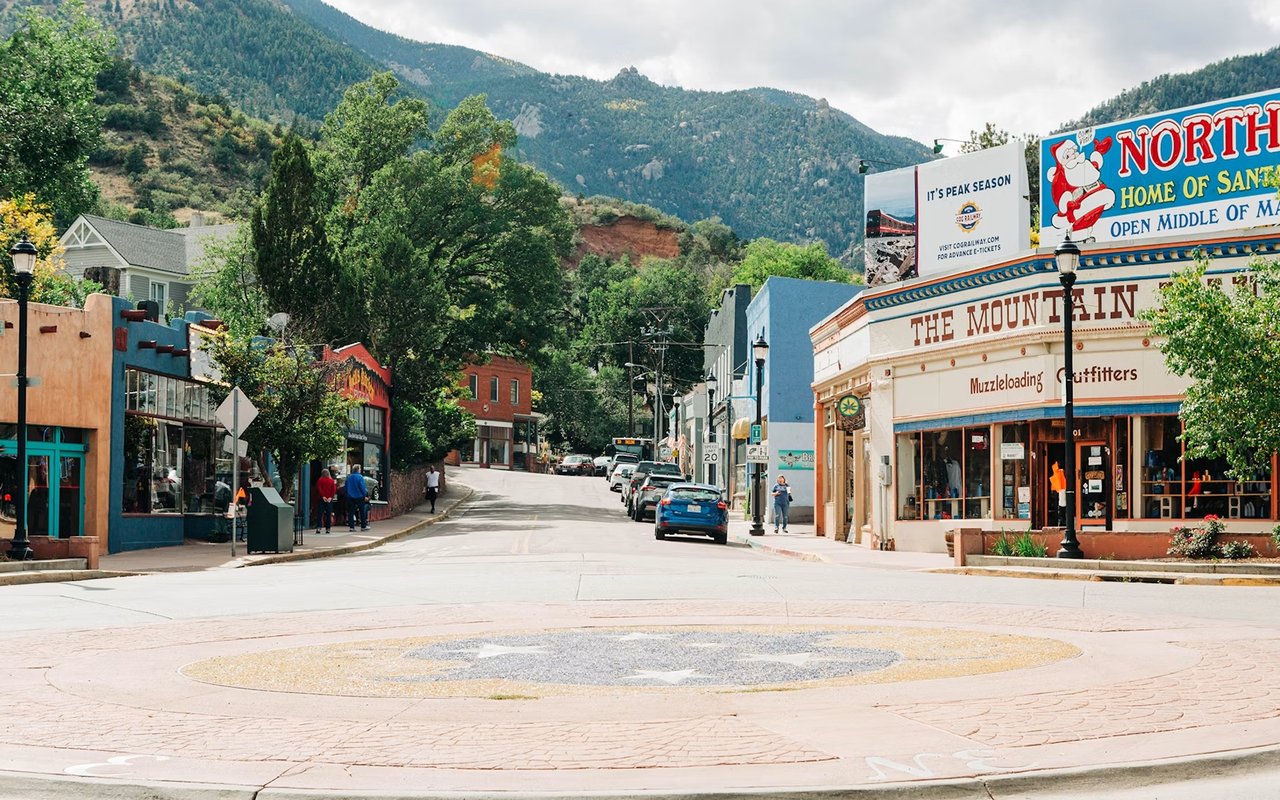
Manitou Springs is the only town in the Pikes Peak region where you can drink from a public mineral spring, climb 2,000 vertical feet on an old railway bed, and tour a National Register historic district without moving your car. It is also its own city, not a Colorado Springs neighborhood, which surprises a lot of buyers. We have watched more than one client come here for an afternoon and start asking about listings before dinner. Here’s what you can expect when calling this place home.
Key Takeaways
- Manitou Springs sits inside one of the country's largest National Historic Districts, which shapes both the architecture and what you can change about it.
- The free public mineral springs, the Manitou Incline, and the Cog Railway depot are all within the town's compact core.
- Housing runs from 1880s Victorian cottages to early-1900s stone homes, with very little new construction.
- Prices here run above the Colorado Springs median, and inventory is thin.
What Is Manitou Springs Known For?
Manitou Springs is known for its naturally carbonated mineral springs, which is why it was marketed as the "Saratoga of the West" when it was founded as a health resort in the 1870s.
Eight cold-water springs still run free and public through the historic downtown, each with a distinct mineral profile.
The second thing it is known for is vertical. The Manitou Incline, built in 1907 on a funicular railway bed, climbs nearly 2,000 feet in under a mile and has become one of the most recognized trails in Colorado.
The Landmarks Worth Knowing Before You Visit
- The public mineral springs: Shoshone, Navajo, Cheyenne, Wheeler, Stratton, Twin, 7-Minute, and Iron Geyser all flow around the clock, and locals genuinely carry bottles for them.
- The Manitou Incline: 2,768 steps off the Ruxton Avenue corridor, with a free reservation required and the more gradual Barr Trail serving as the standard descent.
- The Pikes Peak Cog Railway depot: Also on Ruxton Avenue, the departure point for the 8.9-mile climb to the 14,115-foot summit.
- The Manitou Springs Historic District: Roughly bounded by US 24, Ruxton Avenue, El Paso Boulevard, and Iron Mountain Avenue, and listed on the National Register of Historic Places.
What Is the Housing Like in Manitou Springs?
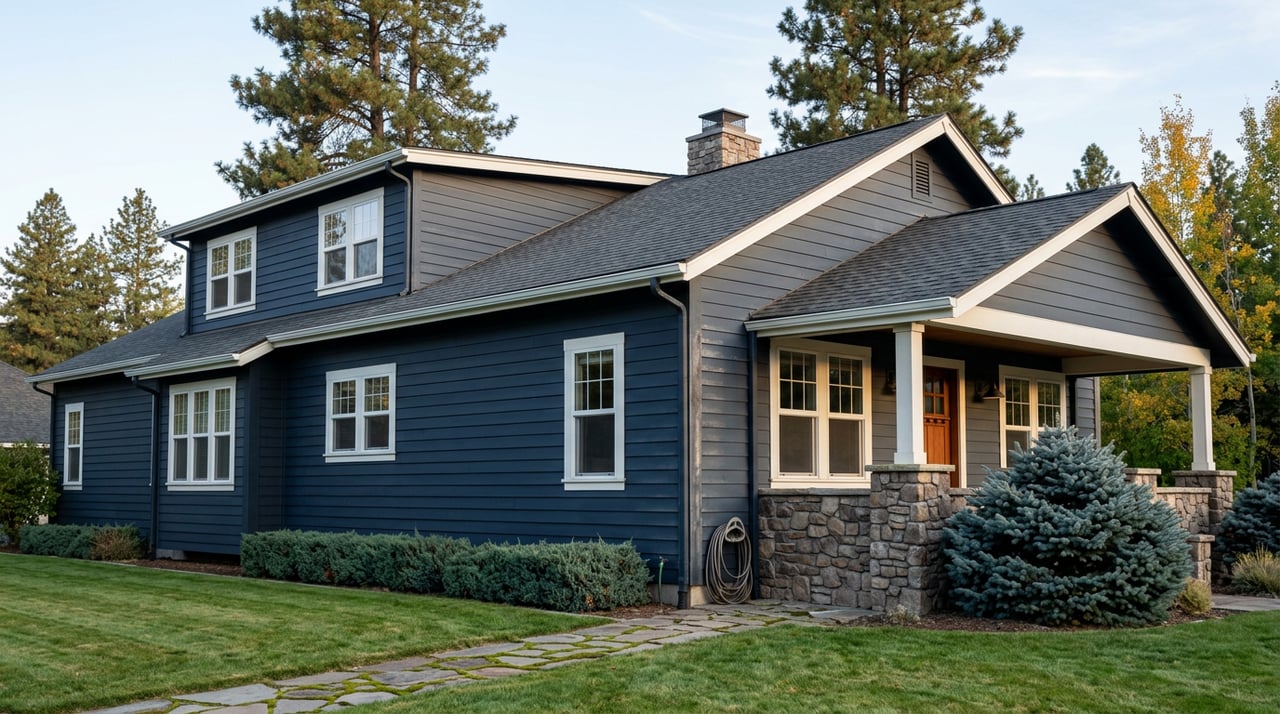
Manitou Springs housing is overwhelmingly historic, with 1880s Victorian cottages and early-1900s stone residences making up much of the stock. Lots are small, streets are steep and narrow, and buildable land is close to nonexistent.
That scarcity is the market. Because the town cannot expand outward and the historic district limits what can be altered, supply stays flat regardless of demand. Buyers here are competing for a fixed number of houses.
What Buyers Should Expect from the Housing Stock
- Steep, narrow lots: Many homes are built into the hillside, so garages, driveways, and winter access vary widely house to house.
- Historic district review: Exterior changes in the district often carry additional review, which affects renovation timelines and budgets.
- Older systems: Knob-and-tube remnants, original plumbing, and non-standard foundations show up regularly in inspections here.
- Short-term rental rules: Manitou has its own licensing framework, which matters if you are buying with rental income in mind.
How Much Does It Cost to Live in Manitou Springs?
Manitou Springs carries a premium over the broader Colorado Springs market, but it has been softening. Over the three months ending June 2026, homes here sold at a
median of about $566,000, down 10.9% year over year, against a
Colorado Springs median of roughly $460,000, down 3.1%.
Homes are also sitting longer. Manitou averaged 66 days on market in that stretch, up nearly a month from the year before, while Colorado Springs averaged 41.
What to Make of the Numbers
- The sample is small, so treat single-month figures with suspicion: Only 18 homes sold in Manitou in June, which is why you will see wildly different medians quoted across websites in the same week.
- Price per square foot tells a different story than price: It rose about 8% year over year even as the median sale price fell, which points to a shift in what is selling rather than a broad decline in value.
- Longer days on market favor prepared buyers: At 66 days, there is room to negotiate here that did not exist two years ago.
- Sellers need realistic pricing: The homes still moving quickly in Manitou are the ones priced to the current market, not to 2022 comparables.
Frequently Asked Questions
Is Manitou Springs part of Colorado Springs?
No. Manitou Springs is its own incorporated city with its own government, codes, and historic district regulations. It borders Colorado Springs on the west, which is why people often assume otherwise.
Can you drink the mineral springs in Manitou Springs?
Yes, the public springs downtown are free and drinkable, and each has a different mineral makeup. We usually tell visiting buyers to try two or three, because the taste difference between them is dramatic.
Is Manitou Springs a good place to buy an investment property?
It can be, but the town regulates short-term rentals through its own licensing process. We always recommend confirming current licensing availability before you write an offer with rental income in the math.
Reach Out to Strategic Property Advisors Today
There is no other town like Manitou Springs in the Pikes Peak region, and right now there is room to buy into it. With homes taking longer to find their buyer, the people who move this year get something rare: time to choose well, and leverage to negotiate on a house that will never be built again.
Our team works across Manitou Springs, Colorado Springs, Black Forest, and Monument, and we love this town enough to tell you exactly which streets deliver on the promise. Get in touch with us at
Strategic Property Advisors, and let us show you what is possible here.