Guide To Colorado Springs Neighborhoods And Home Styles
July 9, 2026
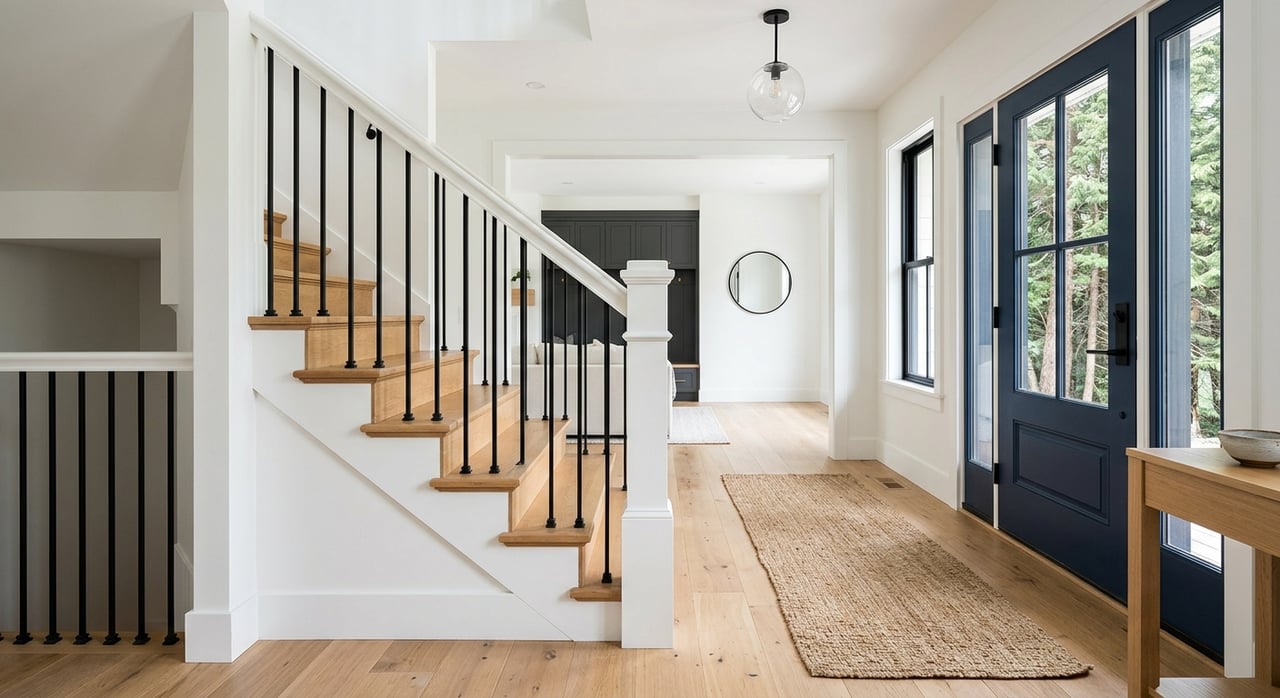
July 9, 2026
If you are searching for the right place to live in Colorado Springs, you are probably asking two questions at once: Which neighborhood fits my day-to-day life, and what kind of home comes with it? That can feel overwhelming because Colorado Springs is not built around one single housing style or one simple neighborhood pattern. The good news is that once you understand how the city grew, you can narrow your options faster and with more confidence. Let’s dive in.
Colorado Springs was founded in 1871 as a resort destination with Pikes Peak in view, and that history still shapes how the city feels today. Instead of one uniform layout, the city developed through different eras, landscapes, and planning patterns.
A helpful local framework comes from PlanCOS, which groups neighborhoods into historic, traditional, suburban, emerging, and future types. For most buyers, that translates into a simpler choice between four common priorities: historic character and walkability, view-oriented areas with varied terrain, quieter suburban streets, or newer construction with planned amenities.
The city’s setting also matters. Colorado Springs sits at the base of Pikes Peak and includes more than 9,000 acres of parkland and 500 acres of trails, so access to open space, mountain views, and outdoor recreation is a meaningful part of many neighborhood decisions.
If you are drawn to older homes with architectural detail, Colorado Springs has several well-known historic areas in and around the city’s core. The city’s historic survey points to places such as the Old North End, parts of the Westside, Old Colorado City, Ivywild, Patty Jewett, Shooks Run, Weber-Wahsatch, Pleasant Valley, Hillside, and other older districts as part of what many people think of as historic Colorado Springs.
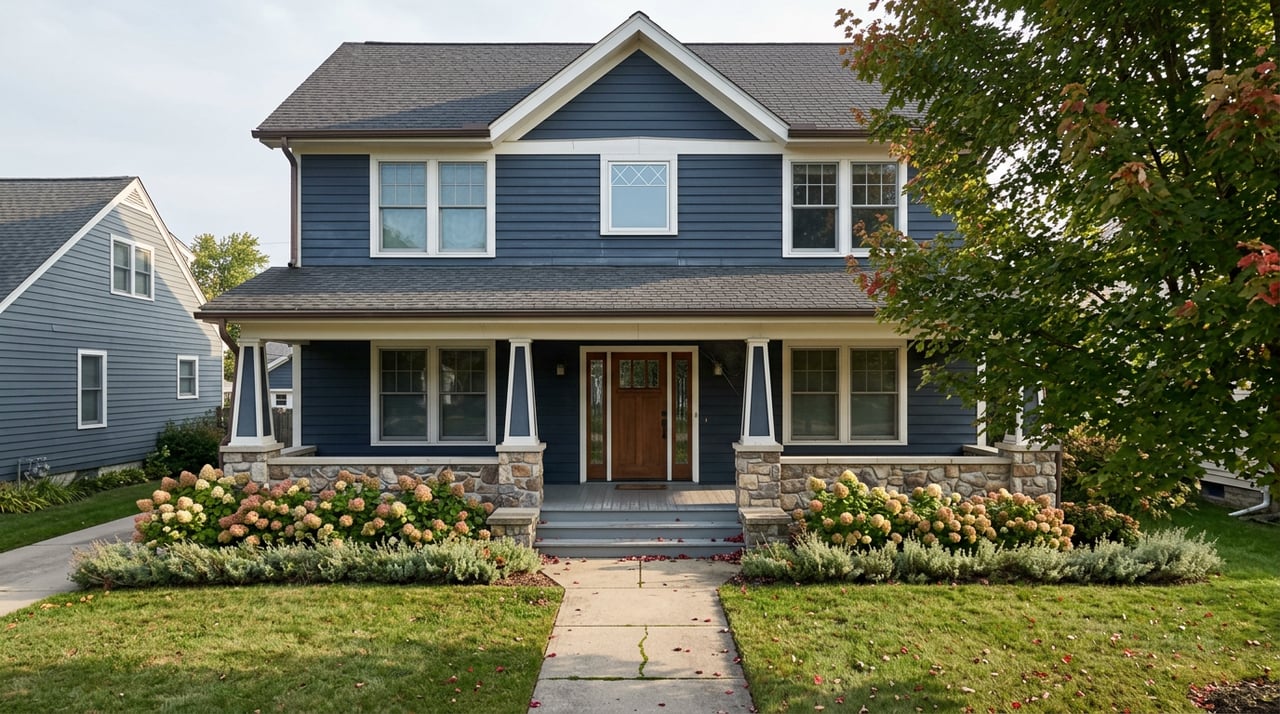
Among these, the Old North End is one of the clearest examples of historic home styles in the city. Its historic records show a mix of Queen Anne, Shingle, Colonial Revival, Mediterranean Revival, Tudor Revival, Spanish Colonial Revival or Mission, Craftsman, bungalow, minimal traditional, modern, and ranch homes.
These neighborhoods often feel cohesive because the street layout and design standards reinforce that identity. In the Old North End, that includes a grid of streets, landscaped medians, and attention to maintaining mountain views from public rights-of-way.
If you are touring older homes, it helps to know the visual cues that separate one style from another. In the Old North End and similar older areas, you may notice distinct details that tell you what era and style you are seeing.
Here is a quick style guide:
For many buyers, this is where architecture becomes part of the decision. If you want character, craftsmanship, and a more layered streetscape, these older neighborhoods tend to offer the strongest match.
Older homes can come with added responsibilities. In Colorado Springs, properties within historic-preservation overlays may require additional review for construction, exterior alterations, or demolition.
That does not make historic ownership harder for everyone, but it does mean you should understand the rules before you plan major changes. If preserving original details matters to you, that review process may feel like a benefit. If you want maximum flexibility, it is something to factor into your search early.
The west side of Colorado Springs has its own identity. It overlaps with the early historic core, but it often feels different from flatter parts of the city because terrain, foothill edges, and view corridors shape the streets and home sites.
Old Colorado City is part of that story. Local historic documentation notes that west-side land additions included curvilinear villa sites with strong views to the east, which helps explain why some west-side areas feel less grid-based and more topography-driven.
The result is a neighborhood experience that many buyers recognize right away. You may find older neighborhood fabric, more varied lot orientation, and a stronger connection to hillsides and open space than in more conventional suburban settings.
The west side is closely tied to outdoor access and scenery. Garden of the Gods, a 1,341.3-acre city-owned regional park and National Natural Landmark, adds to that identity with trails, climbing access, and views of Pikes Peak.
Some west-side areas are also influenced by hillside protections. The Hillside Overlay is intended to address things like slopes, grading, vegetation, and building height, which can affect how neighborhoods grow and how homes fit into the landscape.
If your priority is a home setting that feels more connected to foothills, views, and varied terrain, west-side neighborhoods are often the first places to explore.
Not every buyer is looking for historic architecture or hillside terrain. If your goal is a neighborhood with quieter streets, more privacy, and a more suburban layout, Colorado Springs offers several areas that fit that pattern.
PlanCOS describes suburban neighborhoods as places with curvilinear streets and cul-de-sac patterns that emphasize privacy and safe streets. Local examples include Rockrimmon and Springs Ranch.
These neighborhoods are usually better understood by lifestyle than by one defining home style. In practical terms, that means your decision may come down more to street layout, lot use, commute patterns, and nearby amenities than to whether the homes fit a specific historic category.
Suburban neighborhoods can appeal to buyers who want:
If that sounds like your priority, suburban Colorado Springs may offer a more straightforward home search. You are often comparing floor plans, lot positions, and access points rather than reviewing preservation standards or architecture styles.
If you prefer newer construction, neighborhood amenities, and a more structured community layout, Colorado Springs has several areas that fit that model. PlanCOS notes that many emerging neighborhoods are in the north and east and are often guided by privately initiated master plans.
The city identifies Wolf Ranch and Woodmen Heights as examples of emerging neighborhoods. It also identifies Banning Lewis Ranch as the city’s clearest future-growth area and notes that it is roughly 24,000 acres, making it the largest master-planned development in Colorado Springs.
These communities are generally less about historic architecture and more about how the neighborhood is planned from the ground up. That often includes a broader mix of housing types and a stronger emphasis on amenities and coordinated development.
A lifestyle-focused master-planned community in Colorado Springs may include:
Flying Horse is a strong local example of this newer model. Its metro district describes it as a master-planned, covenant-controlled community in north Colorado Springs with 1,975 homes built between 2005 and 2024, along with resort-style amenities, golf courses, and a lodge.
For buyers, the key difference is often predictability. Newer master-planned neighborhoods tend to offer a more curated community feel, with newer homes, planned improvements, and clearly defined structures that shape maintenance expectations and shared amenities.
With newer master-planned neighborhoods, the home is only part of the decision. You should also ask how the broader community operates.
A few practical questions include:
Those questions can help you compare two homes that may look similar on paper but feel very different once you understand the community framework.
If you are early in your search, it can help to simplify Colorado Springs into a few broad paths. You do not need to know every neighborhood name before you know what kind of fit you want.
Here is a practical way to think about it:
| What you want | Where to start | Home styles you may see |
|---|---|---|
| Historic character | Old North End, Old Colorado City, parts of the Westside | Queen Anne, Colonial Revival, Tudor Revival, Craftsman, Mission |
| Foothill setting and views | West-side and hillside-influenced areas | Mixed older homes, varied siting, view-oriented lots |
| Quiet suburban layout | Rockrimmon, Springs Ranch | Lifestyle-driven housing, suburban floor plans |
| Newer construction and amenities | Wolf Ranch, Woodmen Heights, Banning Lewis Ranch, Flying Horse | Newer single-family homes, townhomes, planned-community housing |
This kind of framework can save you time. Instead of trying to compare every listing in the city at once, you can start with the neighborhood pattern that fits how you actually want to live.
A smart neighborhood search usually starts with priorities, not just price. In Colorado Springs, buyers often move faster once they decide which of these matters most:
Once you know your top two or three priorities, it becomes much easier to focus your search. That is especially true in a market like Colorado Springs, where neighborhood differences are shaped by history, terrain, and planning style as much as by square footage.
Whether you are comparing historic homes near the city core, west-side properties with stronger view orientation, suburban neighborhoods built around daily convenience, or newer planned communities in growth areas, the right choice usually comes down to fit, not hype.
If you want help narrowing down the best Colorado Springs neighborhoods for your goals, Strategic Property Advisors can help you compare home styles, neighborhood patterns, and market opportunities with clear, practical guidance.
Stay up to date on the latest real estate trends.
October 1, 2026
September 24, 2026

September 17, 2026
How a Pre-Listing Inspection Strengthens Your Position in Colorado Springs, CO.

September 17, 2026
The Front Range Details Worth a Second Look When Touring Homes in Colorado Springs, CO.

September 17, 2026
How the 2026 State Contract Protects Your Deposit in Colorado Springs, CO.

September 17, 2026
Budgeting Beyond the Down Payment for Closing Costs in Colorado Springs, CO.
September 17, 2026

September 10, 2026
September 3, 2026
Whether you’re looking to sell your home or invest in a property, Strategic Property Advisors’ has you covered. At Strategic Property Advisor we always bring forward the best resources available to ensure every transaction is as smooth as possible. Every move during the process is done to your advantage and completely surrounds your personal real estate goals.